Engineering and applications
Foundation Drilling Applications
Kelly bar guidance for bored piles, ground improvement and commercial foundation projects.
Use this guide to connect the bar configuration with the drilling method, equipment limits and service routine that will shape performance on site.
From access to production
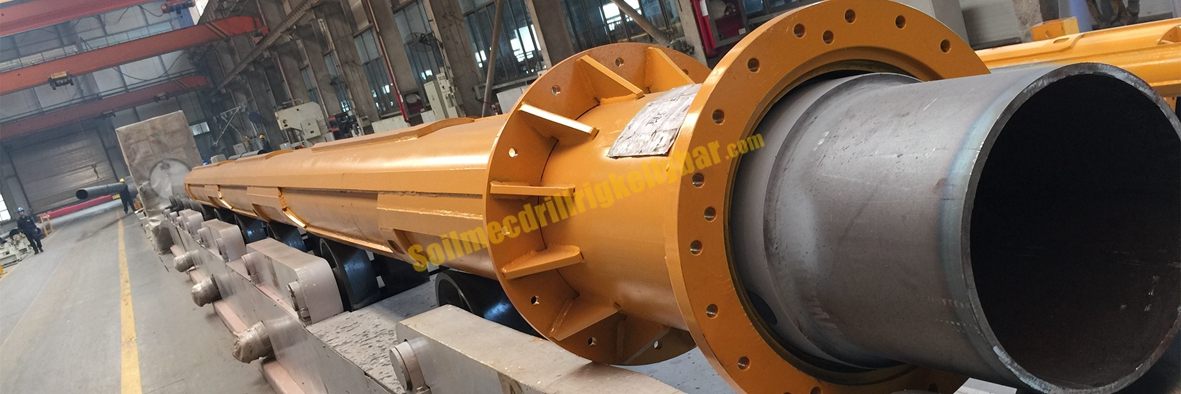
Foundation drilling projects vary from restricted urban sites to wide infrastructure corridors. The Kelly bar has to fit the rig, tool diameter and working radius while leaving enough space for casing, spoil handling and reinforcement logistics. A clear application brief connects the bar configuration to the actual sequence on site, not just the machine brochure.
Matching the drilling method
Bored piles may involve augers, core barrels, buckets or casing systems. Each tool changes the torque demand, crowd response and section loading. Reviewing the expected soil profile with the drilling contractor helps determine whether an interlocking or friction arrangement is more appropriate. It also clarifies whether the bar needs additional wear protection for abrasive formations.
Records that improve output
Good drilling records include tool type, depth per pass, rotation behavior, ground changes and the time spent changing sections. These notes help identify whether a delay is caused by the tool, the bar, the spoil cycle or the site layout. Over several piles, the crew can refine the operating window and make better use of available stroke.
A dependable supply path
A practical bar program includes drawings, section marks, packing information and a replacement plan. When dimensions are verified before production, installation is faster and fewer field modifications are needed. This is especially important for projects with multiple rigs, where standardized documentation keeps the same quality of decision-making across crews and locations.
For a project-specific discussion, compare this guide with the product range, the sizing checklist and the quotation form. Keeping those three references together helps the team move from an idea to a verified configuration.
Project reference notes
Foundation Drilling Applications | Kelly Bar Systems is intended to be used as a working reference alongside the rig documentation and the approved project drawing. The useful decision is always specific to the machine, tool and ground: check the rotary interface, available torque, crowd behavior, target depth, section overlap and handling space before a final configuration is released. These details also help the field team understand why a particular bar arrangement was selected.
Keep the page available during quotation, commissioning and service review. During installation, confirm the section order and connection fit at low speed. During production, record ground changes, tool changes and any new sound or movement. During demobilization, clean the contact areas, protect the connections and carry the inspection record with the section marks. That small information loop makes the next decision faster and keeps the equipment history useful across projects.
For procurement and site planning, identify the bar by its complete model and section arrangement rather than by a shortened label alone. Confirm how it will be packed, lifted, stored and connected to the selected tool. If the project involves more than one rig, compare the interfaces before standardizing the order. Clear information at this stage reduces field modifications, protects the schedule and gives the service team a reliable starting point when the equipment returns from the job.