Engineering and applications
Kelly Bar Maintenance Guide
A practical maintenance routine for inspection, cleaning, lubrication and wear monitoring.
Use this guide to connect the bar configuration with the drilling method, equipment limits and service routine that will shape performance on site.
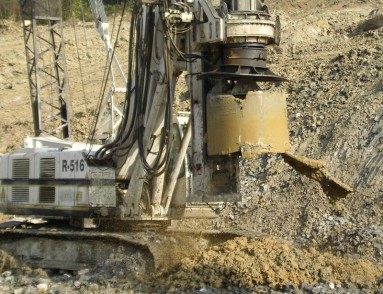
Daily checks
Look at keys, guides, weld transitions, section ends and tool connections before drilling begins. Remove compacted soil that can hide cracks or prevent smooth movement. Any new burr, scoring mark, unusual noise or change in extension speed should be recorded and reviewed before the next heavy cycle.
Cleaning and lubrication
The correct cleaning method depends on the bar finish and the manufacturer specification. Keep contact surfaces free from abrasive spoil and use only a compatible lubricant where lubrication is required. Too much product can collect grit, while too little can create dry contact and accelerate wear.
Measured wear
Visual inspection is valuable, but measurements reveal trends earlier. Use consistent points on each section and record the result with the date, depth and ground type. Comparing measurements over time helps distinguish normal polishing from a developing clearance problem that could affect performance.
Storage between projects
Retract and support the bar in a way that avoids standing water and unnecessary bending. Protect open connections, keep section marks visible and store the maintenance record with the equipment. A clean handover means the next operator starts with known condition instead of relying on memory.
For a project-specific discussion, compare this guide with the product range, the sizing checklist and the quotation form. Keeping those three references together helps the team move from an idea to a verified configuration.
Project reference notes
Kelly Bar Maintenance Guide | Kelly Bar Systems is intended to be used as a working reference alongside the rig documentation and the approved project drawing. The useful decision is always specific to the machine, tool and ground: check the rotary interface, available torque, crowd behavior, target depth, section overlap and handling space before a final configuration is released. These details also help the field team understand why a particular bar arrangement was selected.
Keep the page available during quotation, commissioning and service review. During installation, confirm the section order and connection fit at low speed. During production, record ground changes, tool changes and any new sound or movement. During demobilization, clean the contact areas, protect the connections and carry the inspection record with the section marks. That small information loop makes the next decision faster and keeps the equipment history useful across projects.
For procurement and site planning, identify the bar by its complete model and section arrangement rather than by a shortened label alone. Confirm how it will be packed, lifted, stored and connected to the selected tool. If the project involves more than one rig, compare the interfaces before standardizing the order. Clear information at this stage reduces field modifications, protects the schedule and gives the service team a reliable starting point when the equipment returns from the job.