Project enquiry
Request a quotation
Share the information that lets a Kelly bar configuration start from the real drilling cycle.
Use the form for a preliminary request. Include the rig series, drive interface, target depth, tool connection and expected ground whenever those details are available.
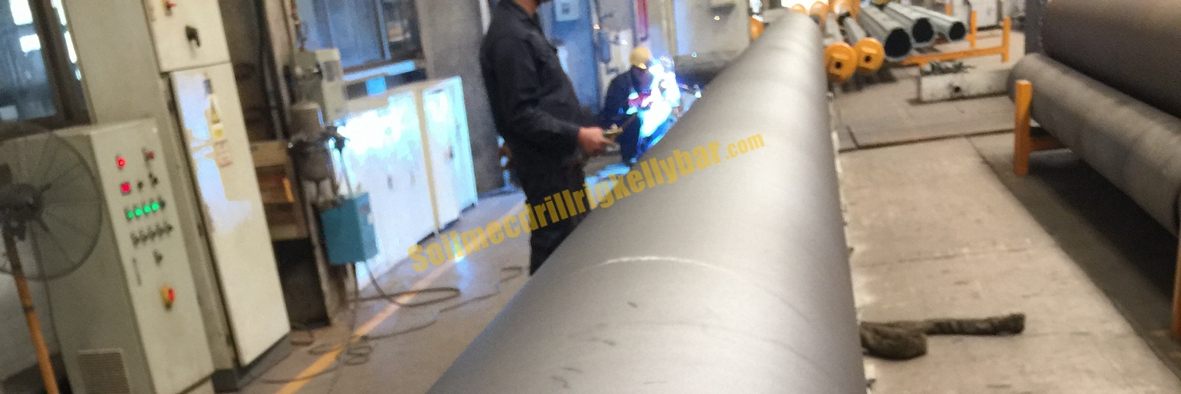
Useful project inputs
A clear connection drawing or equipment photo can make the first review much faster.
Send the request
Before you send
Many quotation delays come from missing interface information rather than from the bar itself. If the exact machine model is uncertain, include a photograph of the rotary drive, the current bar connection or the tool adapter. Note whether the project will use augers, buckets, core tools or casing. A short description of the hardest expected layer is also useful because it influences the engagement principle and the wear review.
Requests can be compared with the product range and refined using the technical FAQ. For ongoing service, include the section mark and the latest inspection note so the replacement discussion starts with a known condition.
Project reference notes
Request a Kelly Bar Quotation | Kelly Bar Systems is intended to be used as a working reference alongside the rig documentation and the approved project drawing. The useful decision is always specific to the machine, tool and ground: check the rotary interface, available torque, crowd behavior, target depth, section overlap and handling space before a final configuration is released. These details also help the field team understand why a particular bar arrangement was selected.
Keep the page available during quotation, commissioning and service review. During installation, confirm the section order and connection fit at low speed. During production, record ground changes, tool changes and any new sound or movement. During demobilization, clean the contact areas, protect the connections and carry the inspection record with the section marks. That small information loop makes the next decision faster and keeps the equipment history useful across projects.
For procurement and site planning, identify the bar by its complete model and section arrangement rather than by a shortened label alone. Confirm how it will be packed, lifted, stored and connected to the selected tool. If the project involves more than one rig, compare the interfaces before standardizing the order. Clear information at this stage reduces field modifications, protects the schedule and gives the service team a reliable starting point when the equipment returns from the job.