Field note
Kelly Bar Maintenance: A Field Routine That Protects Production
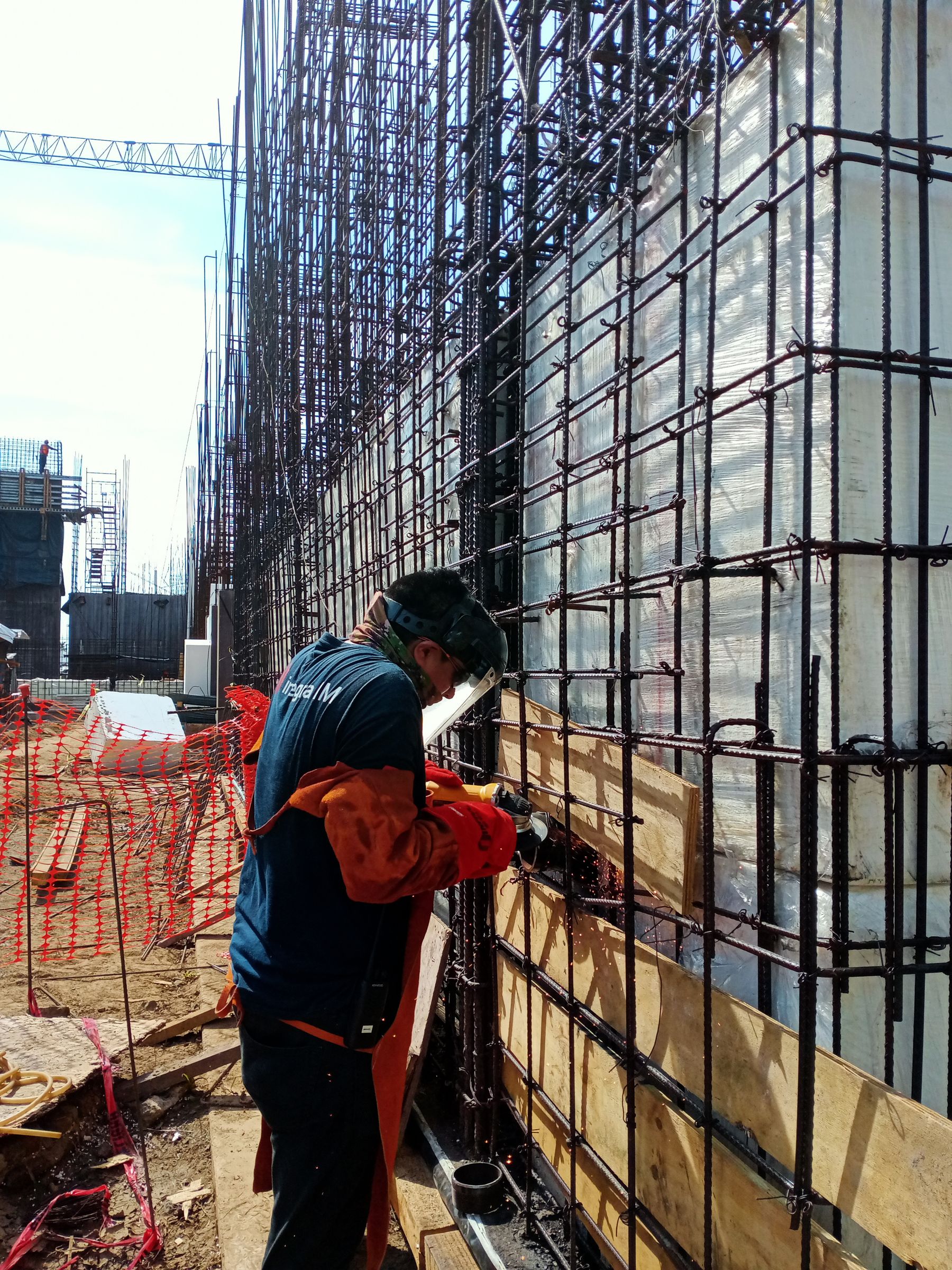
Why small observations matter
Kelly bars work through repeated cycles of torque, crowd, extension, retraction and handling. Wear rarely appears as one dramatic event; it develops through small changes in contact, alignment or surface condition. A short routine at the start and end of a shift gives the crew a chance to notice those changes while the equipment is still easy to service.
Start with a clean inspection
Remove soil and compacted spoil from keys, guides, section ends and tool connections. Dirt can hide a crack, prevent a locking feature from engaging or act as an abrasive paste on a friction surface. Use a cleaning method compatible with the bar finish, then inspect under good light before applying any lubricant or protective product.
Check the load path
Look at the drive connection, section transitions, weld toes, guides and tool adapter as one system. Search for fresh scoring, deformation, loose material, unusual polishing or a change in the section’s travel. The aim is not to diagnose every defect in the field; it is to identify a change that deserves a controlled review before heavy production continues.
Measure the same points
Choose repeatable measurement locations and keep the method consistent. Record section identity, date, drilling depth, ground type and the observed value. A single measurement is only a snapshot. A trend across several inspections can show whether a clearance is stable, slowly increasing or changing quickly after a particular tool or formation.

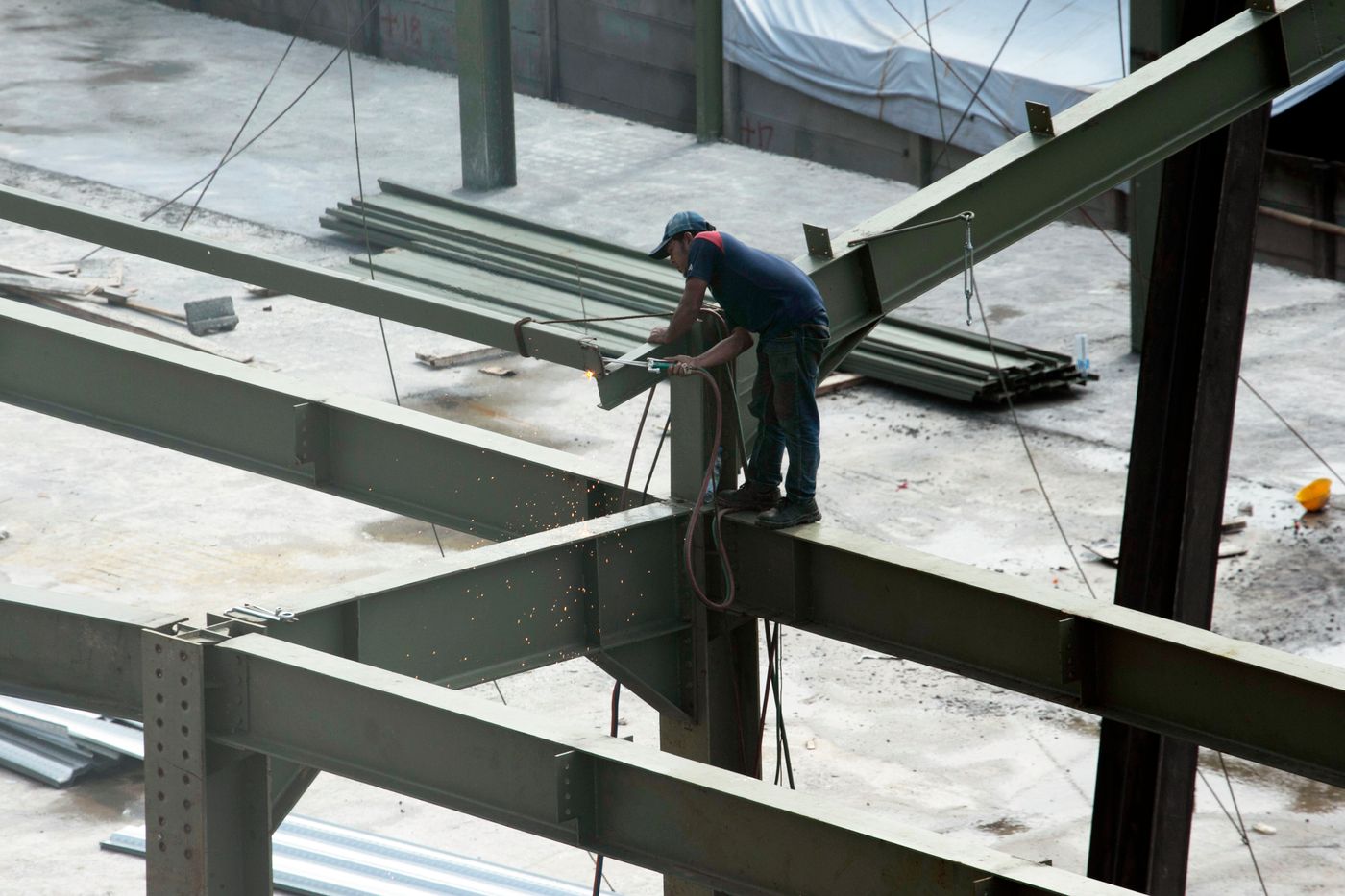
Lubricate with intent
Lubrication should follow the design and the manufacturer’s recommendation. The goal is controlled contact, not a thick layer that collects grit. On a friction bar, excess contamination can increase abrasion. On an interlocking bar, the relevant surfaces may need a different treatment. When in doubt, document the product and quantity so the result can be evaluated.
Service between projects
When a bar leaves the rig, clean it before storage. Support it to avoid unnecessary bending, protect open connections and keep each section mark visible. Review the field log while the work is still recent. A planned repair in the workshop is easier and safer than an unplanned intervention during the next mobilization.
Make the routine visible
A useful checklist is short enough to use every day. It can include clean, inspect, measure, lubricate where specified, record and report. Supervisors can then compare observations between crews without relying on memory. Consistency is the real advantage: the bar receives attention before the wear becomes a production problem.
A service record that travels
Keep the maintenance history with the bar identification, not only with the project file. Include repairs, replaced guides, dimensional checks and the ground conditions associated with accelerated wear. This creates a practical service story that supports better decisions when the bar moves to a new site or rig.
Quick reference
| Question | Useful first answer |
|---|---|
| What defines the bar? | Rig interface, torque, depth, tool and ground. |
| What protects service life? | Clean interfaces, controlled operation and repeatable inspection. |
| What improves handover? | Marked sections, clear drawings and a service record. |
Next steps
- Record the machine and tool interface.
- Describe the deepest and hardest expected ground.
- Choose an engagement principle that fits the drilling rhythm.
- Keep inspection information with the bar.