Engineering and applications
High-Rise Foundation Projects
Kelly bar planning for constrained urban sites, deep piles and demanding production schedules.
Use this guide to connect the bar configuration with the drilling method, equipment limits and service routine that will shape performance on site.
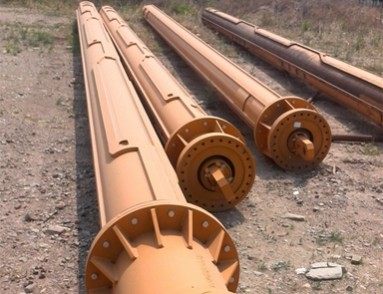
Space is a design input
Urban foundation sites may have limited headroom, narrow access and strict delivery windows. Bar length, section count and transport packaging should be considered with the site plan. A configuration that is efficient in an open yard may be difficult to assemble beside a retaining wall or adjacent structure.
Deep pile rhythm
High-rise work rewards a consistent cycle of drilling, cleaning and reinforcement placement. The bar should support that rhythm by extending predictably and allowing the operator to keep the tool centered. Avoiding unnecessary section changes can save time across a large pile count, provided the rig envelope permits it.
Quality at pace
Fast production still needs a clear inspection routine. A short check between piles can focus on the areas most exposed to wear, while a longer review is scheduled at the end of the shift. Marked sections make it possible to identify a recurring problem instead of treating each observation as isolated.
Coordination with the site team
Bar dimensions, lifting points and tool connections should be shared with the logistics and safety teams. This improves planning for crane picks, storage and exclusion zones. Clear information helps the drilling crew spend time on the hole rather than solving preventable handling questions in the work area.
For a project-specific discussion, compare this guide with the product range, the sizing checklist and the quotation form. Keeping those three references together helps the team move from an idea to a verified configuration.
Project reference notes
High-Rise Foundation Projects | Kelly Bar Systems is intended to be used as a working reference alongside the rig documentation and the approved project drawing. The useful decision is always specific to the machine, tool and ground: check the rotary interface, available torque, crowd behavior, target depth, section overlap and handling space before a final configuration is released. These details also help the field team understand why a particular bar arrangement was selected.
Keep the page available during quotation, commissioning and service review. During installation, confirm the section order and connection fit at low speed. During production, record ground changes, tool changes and any new sound or movement. During demobilization, clean the contact areas, protect the connections and carry the inspection record with the section marks. That small information loop makes the next decision faster and keeps the equipment history useful across projects.
For procurement and site planning, identify the bar by its complete model and section arrangement rather than by a shortened label alone. Confirm how it will be packed, lifted, stored and connected to the selected tool. If the project involves more than one rig, compare the interfaces before standardizing the order. Clear information at this stage reduces field modifications, protects the schedule and gives the service team a reliable starting point when the equipment returns from the job.