Engineering and applications
Friction Kelly Bars
Friction Kelly bar solutions for flexible drilling programs, changing depths and efficient section handling.
Use this guide to connect the bar configuration with the drilling method, equipment limits and service routine that will shape performance on site.
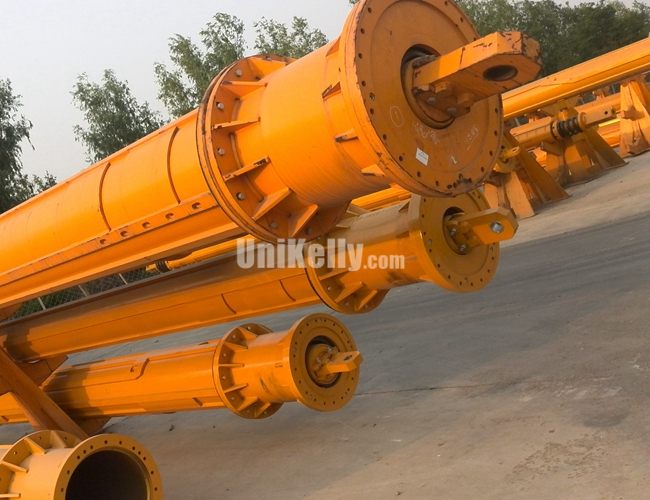
Smooth telescopic travel
Friction Kelly bars rely on contact between telescoping sections to transfer rotary effort. Their simple operating principle can be valuable where drilling depths change frequently and the crew wants fast extension or retraction. The bar must be designed with compatible clearances, surface condition and load limits so that the sections move predictably without binding.
Choosing a friction design
The specification should consider torque, drilling depth, tool mass, soil abrasiveness and the number of telescoping stages. A shorter bar with fewer sections may be more efficient for shallow production, while a longer configuration can reduce handling changes on deep holes. The correct choice balances reach, transport dimensions and the amount of friction available at the working load.
Operating consistency
Friction systems benefit from a consistent drilling rhythm. Excessive shock loading, abrupt rotation reversals and poorly aligned tools can accelerate wear on contact surfaces. Operators should monitor how quickly the sections extend, record unusual noise and keep the bar centered during extraction. These small habits protect the bar and make daily production data more reliable.
Practical maintenance
Cleaning, visual checks and scheduled dimensional measurements form the core of friction-bar service. Inspect section ends, welds, guides and contact bands for scoring or deformation. Replace worn components before clearances become unpredictable. A simple log containing depth, ground type and observed wear lets the workshop plan parts before the next project starts.
For a project-specific discussion, compare this guide with the product range, the sizing checklist and the quotation form. Keeping those three references together helps the team move from an idea to a verified configuration.
Project reference notes
Friction Kelly Bars | Kelly Bar Systems is intended to be used as a working reference alongside the rig documentation and the approved project drawing. The useful decision is always specific to the machine, tool and ground: check the rotary interface, available torque, crowd behavior, target depth, section overlap and handling space before a final configuration is released. These details also help the field team understand why a particular bar arrangement was selected.
Keep the page available during quotation, commissioning and service review. During installation, confirm the section order and connection fit at low speed. During production, record ground changes, tool changes and any new sound or movement. During demobilization, clean the contact areas, protect the connections and carry the inspection record with the section marks. That small information loop makes the next decision faster and keeps the equipment history useful across projects.
For procurement and site planning, identify the bar by its complete model and section arrangement rather than by a shortened label alone. Confirm how it will be packed, lifted, stored and connected to the selected tool. If the project involves more than one rig, compare the interfaces before standardizing the order. Clear information at this stage reduces field modifications, protects the schedule and gives the service team a reliable starting point when the equipment returns from the job.