Catalogue index
References: 0–9
Numbered model references for Soilmec-compatible Kelly bars and foundation drilling equipment.
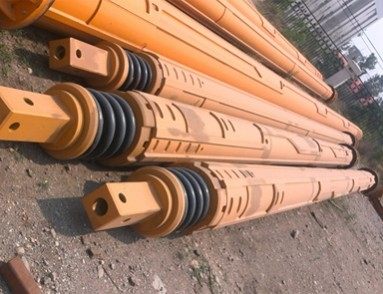
Numbered model references are often the fastest way to locate a rig or replacement component in a project file. This index routes those references into the product catalogue, where the model context can be checked against the rig interface, tool, depth and working conditions. Use the page as a navigation aid, then confirm the complete specification before ordering.
For a new configuration, start with the Kelly bar sizing guide. For an existing bar, record section marks, connection dimensions and any recent service observation. The maintenance guide explains how to turn those observations into a useful condition record.
Browse the numbered range
- SOILMEC SR-20 KELLY BAR
- SOILMEC SR-30 KELLY BAR
- SOILMEC SR-40 KELLY BAR
- SOILMEC SR-45 KELLY BAR
- SOILMEC SR-50 KELLY BAR
- SOILMEC SR-60 KELLY BAR
- SOILMEC SR-75 KELLY BAR
- SOILMEC SR-90 KELLY BAR
- SOILMEC SR-100 KELLY BAR
- SOILMEC R-210 KELLY BAR
- SOILMEC R-312 KELLY BAR
- SOILMEC R-625 KELLY BAR
- SOILMEC R-825 KELLY BAR
When the model is confirmed, the quotation page can be used to share the rig and project details with the configuration team.
Keep the catalogue reference with the equipment record after delivery. A model number is most useful when it is accompanied by the rig serial reference, section arrangement, connection notes and the date of the last inspection. That small habit helps workshop and field teams distinguish a like-for-like replacement from a configuration that needs a fresh engineering review.
Project reference notes
Kelly Bar Catalogue: 0–9 | Kelly Bar Systems is intended to be used as a working reference alongside the rig documentation and the approved project drawing. The useful decision is always specific to the machine, tool and ground: check the rotary interface, available torque, crowd behavior, target depth, section overlap and handling space before a final configuration is released. These details also help the field team understand why a particular bar arrangement was selected.
Keep the page available during quotation, commissioning and service review. During installation, confirm the section order and connection fit at low speed. During production, record ground changes, tool changes and any new sound or movement. During demobilization, clean the contact areas, protect the connections and carry the inspection record with the section marks. That small information loop makes the next decision faster and keeps the equipment history useful across projects.
For procurement and site planning, identify the bar by its complete model and section arrangement rather than by a shortened label alone. Confirm how it will be packed, lifted, stored and connected to the selected tool. If the project involves more than one rig, compare the interfaces before standardizing the order. Clear information at this stage reduces field modifications, protects the schedule and gives the service team a reliable starting point when the equipment returns from the job.