Engineering and applications
Bridge and Infrastructure Foundations
Kelly bar support for bridge piers, transport infrastructure and long-duration foundation programs.
Use this guide to connect the bar configuration with the drilling method, equipment limits and service routine that will shape performance on site.
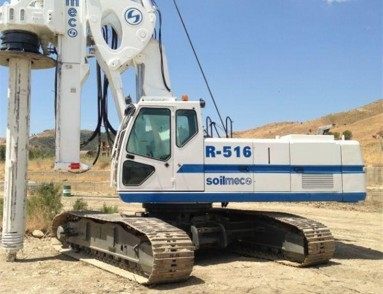
Repeatability across locations
Bridge projects often require many similar piles with changing access conditions. A clearly specified Kelly bar helps the crew repeat the same drilling sequence while adapting to each pier. Consistent section marks and tool interfaces reduce setup variation when the rig moves along the alignment.
Working beside live operations
Infrastructure sites place extra demands on logistics, exclusion zones and timing. The bar package should arrive with practical lifting information, compact transport dimensions and clear inspection points. When equipment changes are planned around traffic, rail or river constraints, predictable handling becomes part of productivity.
Ground variability
River terraces, fill and weathered rock can appear in one project. The bar should be chosen for the most demanding expected torque and wear condition, while the operating plan remains flexible enough for softer layers. Production data from early piles can guide the inspection focus for later work.
Handover between crews
Long programs benefit from a common maintenance record. Record section condition, tool changes, drilling depth and unusual events at the end of each shift. This simple discipline prevents small observations from being lost and gives supervisors a reliable basis for planning service windows.
For a project-specific discussion, compare this guide with the product range, the sizing checklist and the quotation form. Keeping those three references together helps the team move from an idea to a verified configuration.
Project reference notes
Bridge and Infrastructure Foundations | Kelly Bar Systems is intended to be used as a working reference alongside the rig documentation and the approved project drawing. The useful decision is always specific to the machine, tool and ground: check the rotary interface, available torque, crowd behavior, target depth, section overlap and handling space before a final configuration is released. These details also help the field team understand why a particular bar arrangement was selected.
Keep the page available during quotation, commissioning and service review. During installation, confirm the section order and connection fit at low speed. During production, record ground changes, tool changes and any new sound or movement. During demobilization, clean the contact areas, protect the connections and carry the inspection record with the section marks. That small information loop makes the next decision faster and keeps the equipment history useful across projects.
For procurement and site planning, identify the bar by its complete model and section arrangement rather than by a shortened label alone. Confirm how it will be packed, lifted, stored and connected to the selected tool. If the project involves more than one rig, compare the interfaces before standardizing the order. Clear information at this stage reduces field modifications, protects the schedule and gives the service team a reliable starting point when the equipment returns from the job.