Engineering and applications
Materials and Welding Quality
How material traceability, weld control and inspection support long Kelly bar service life.
Use this guide to connect the bar configuration with the drilling method, equipment limits and service routine that will shape performance on site.
Material consistency
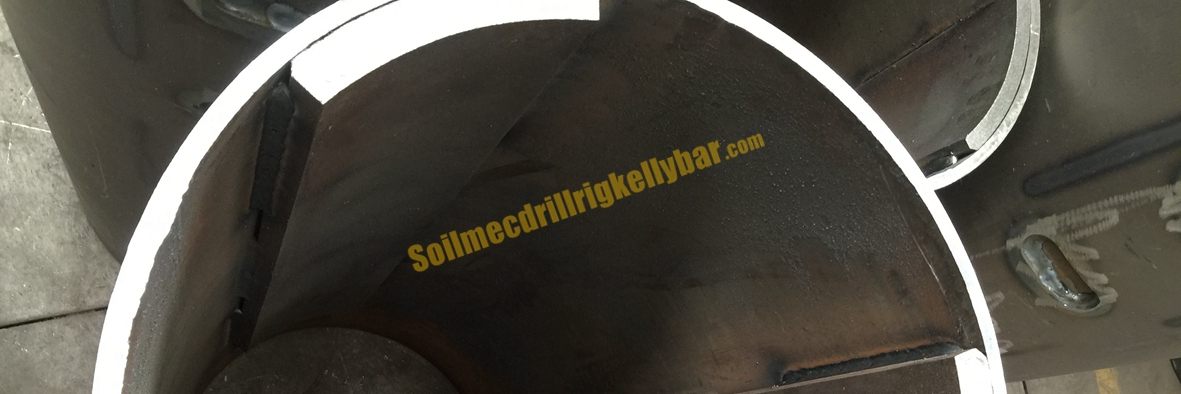
Kelly bars combine long steel sections with high-load interfaces, so material consistency matters across the complete assembly. Traceable stock, controlled cutting and accurate preparation give the production team a stable starting point. The useful record includes heat information, dimensions and the section identity carried through fabrication.
Weld transitions
Welded transitions deserve careful design because geometry changes can concentrate stress. Fit-up, preheat, process control and controlled cooling all influence the final result. Visual inspection should be supported by the agreed testing method when a joint is critical to the load path or exposed to repeated torque reversals.
Dimensional inspection
Straightness, section length, guide position and connection dimensions should be checked against the approved drawing. Small errors can become noticeable when several stages telescope through one another. Measuring before coating also makes it easier to correct a problem without damaging the finished surface.
Documents that travel
A clear inspection pack helps the bar remain identifiable after delivery. Mark each section, include the key dimensions and record any service action. When the field crew can connect a physical section to a drawing and a maintenance note, troubleshooting becomes faster and future replacement decisions become more accurate.
For a project-specific discussion, compare this guide with the product range, the sizing checklist and the quotation form. Keeping those three references together helps the team move from an idea to a verified configuration.
Project reference notes
Materials and Welding Quality | Kelly Bar Systems is intended to be used as a working reference alongside the rig documentation and the approved project drawing. The useful decision is always specific to the machine, tool and ground: check the rotary interface, available torque, crowd behavior, target depth, section overlap and handling space before a final configuration is released. These details also help the field team understand why a particular bar arrangement was selected.
Keep the page available during quotation, commissioning and service review. During installation, confirm the section order and connection fit at low speed. During production, record ground changes, tool changes and any new sound or movement. During demobilization, clean the contact areas, protect the connections and carry the inspection record with the section marks. That small information loop makes the next decision faster and keeps the equipment history useful across projects.
For procurement and site planning, identify the bar by its complete model and section arrangement rather than by a shortened label alone. Confirm how it will be packed, lifted, stored and connected to the selected tool. If the project involves more than one rig, compare the interfaces before standardizing the order. Clear information at this stage reduces field modifications, protects the schedule and gives the service team a reliable starting point when the equipment returns from the job.